Beachcombing?
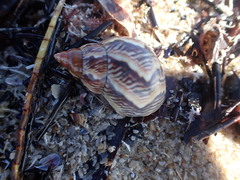
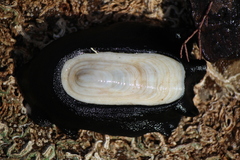
Going for a walk along the beach and picking up a shell or something else we find is something nearly all of us do from time to time — and while we think nothing of it, this is the simplest form of beachcombing.
Beachcombing has grown worldwide, and like many things, technology plays a great role. Our phones can now record the exact location and time of finds, and let us post them to social media and citizen-science projects — giving scientists and educators access to that detail more readily than ever before.
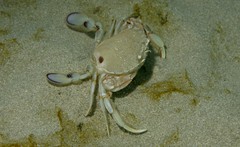
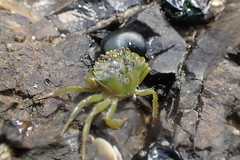
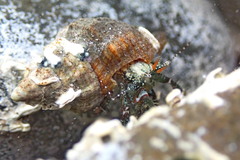
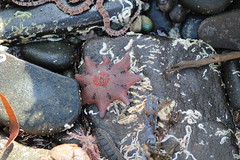
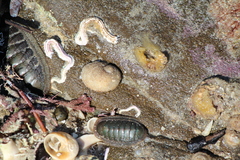
For those with children, there's nothing like rolling over a rock to find a crab or starfish and being amazed by its colours, or the way it scurries back into cover. It's a great basis for activities like a treasure hunt — find a certain crab or sea star, and learn along the way how to tell a male from a female or where a species comes from.
As we all look for ways to get out into nature and share the experience, beachcombing offers a great way to do it — and to learn as we go.